
The Kneeling Leader
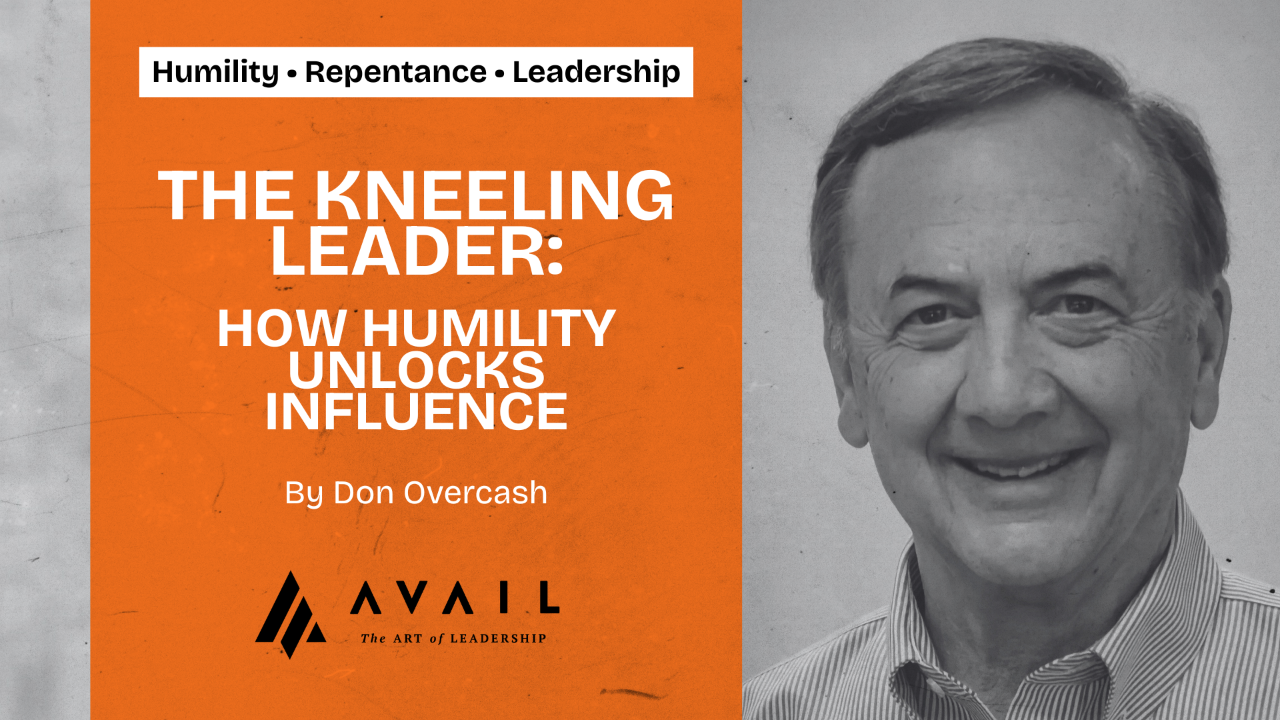
How humility unlocks influence
By Don Overcash
Recently, our world has been marked by division, conflict and uncertainty, so the call for leadership to be rooted in spiritual conviction has never been more urgent. Leaders, whether in government, faith, business or community organizations, hold significant influence over the direction of their members. It is imperative that leaders reflect on their spiritual beliefs and consider how those beliefs shape their positions on issues, ethics and morality. Every person adopts a spiritual worldview as their guidance system for navigating life.
Christianity is centered on the divinity of Jesus Christ and His teachings, especially the importance of loving God and loving people. Its most unique claim is that God did for man what man is unable to do for himself by providing redemption and life eternal.
A different yet common worldview is humanism. While humanism promotes the value of human dignity, reason and ethical responsibility, it does so from autonomy apart from God, positing that mankind can derive ethics and purpose independent of any divine influence. People embrace the worldview they believe in, but they should anticipate judgment over their adherence to that philosophy’s tenets.
Inconsistent application of one’s belief system often manifests as low insight and empathy, leading to decisions that prioritize personal agendas over the common good. This disconnect can foster environments of distrust and division. An important step in the journey is repentance as a demonstration of humility—a sincere acknowledgment of shortcomings and a yearning to realign with what leaders claim to be their higher principles.
Repentance is crucial, not merely as an act of remorse but also as a transformative process that opens the heart and mind to a deeper understanding of purpose and responsibility. This means turning away from self-serving motives and embracing a mindset that seeks wisdom beyond human understanding. Seeking wisdom requires humility and a willingness to listen. James 1:5 (NKJV) reminds us, “If any of you lacks wisdom, let him ask of God, who gives to all liberally and without reproach, and it will be given to him.”
In a world inundated with information and opinions, the voices of self-centeredness can drown out the call to unity. Leaders must gather not only to discuss policies but to engage in deep personal reflection while seeking guidance from others. By doing so, they create an environment where collaboration and consensus can flourish.
While many call Jesus “Lord,” Scripture reveals that few truly follow Him. Jesus warns that not everyone who claims allegiance shows the good fruit expected of a disciple (see Matthew 7:21-23). This stark reality challenges leaders, whether Christians or humanists, to take a hard look at their actions versus their declarations. The absence of good fruit—such as love, justice and compassion—may suggest a disconnect between their words and their commitment to their selected worldview. This lack of authentic belief undermines their ability to lead effectively, and the consequences reverberate throughout the community.
True leadership is not about wielding power but about serving others. Jesus exemplified sacrificial servant leadership, emphasizing the importance of love, compassion and humility. Leaders are called to emulate this model by prioritizing the needs of the community above personal ambitions.
By repenting from spiritual inconsistency and seeking wisdom from others and God, together we can cultivate a spirit of unity that transcends differences. This unity is not only a goal but a divine imperative that can transform communities, foster peace and inspire hope. Strong, spiritually grounded leadership can catalyze a movement toward genuine mutual respect and collaboration that are essential for a thriving society. The stakes have never been higher, and the time for change is now, as a deeply divided community will not continue to prosper.
For more than four decades, Don Overcash has supported individuals and organizations in achieving their objectives through his expertise in leadership, team development and business growth. With a career that began in retail pharmacy, he subsequently transitioned into positions of greater responsibility across the marketplace, consistently guided by being an example of biblical salt and light. Don and his wife Debbie have been married for 51 years and are proud parents and grandparents. He currently works as a professional coach, with a focus on supporting faith-based organizations. His new book is Salt and Light: Bringing Truth and Light to a Lost Culture.

Stay up-to-date with all our upcoming releases!
Join our mailing list to receive the latest news and updates from us. Your information will not be shared.

Recent Posts

